What this range actually protects
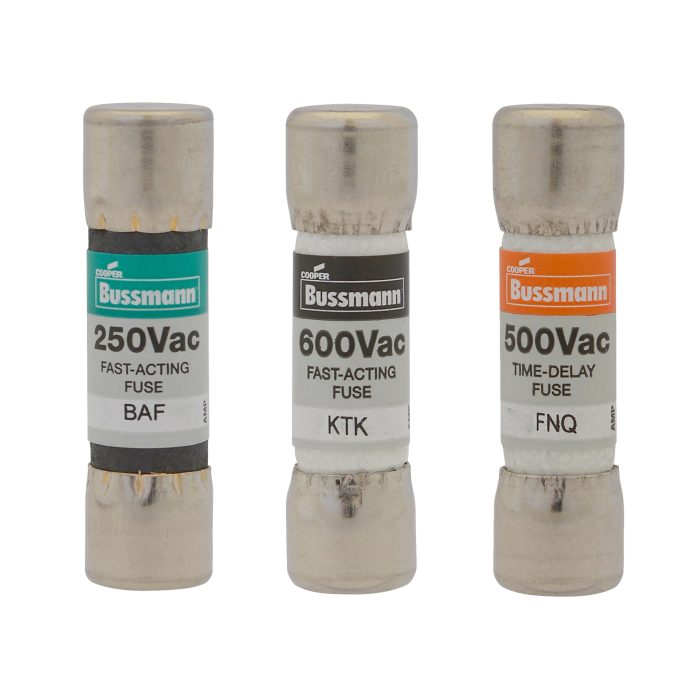
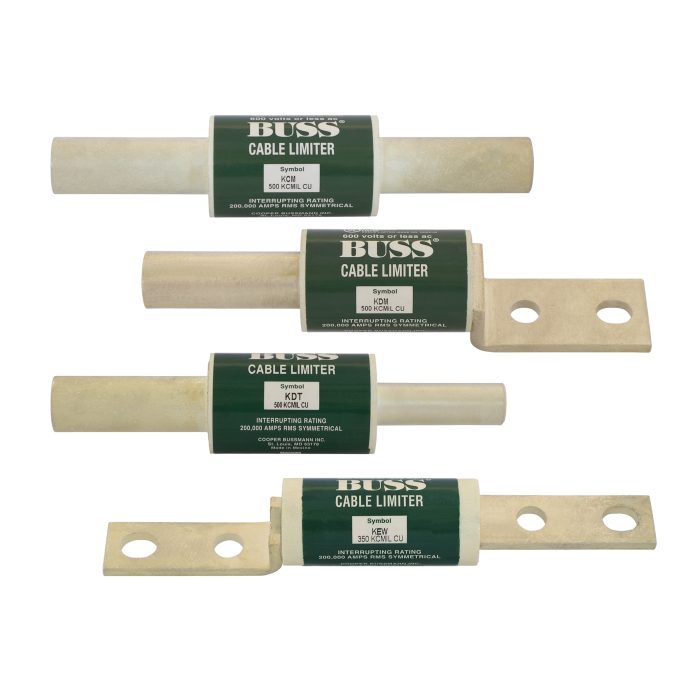
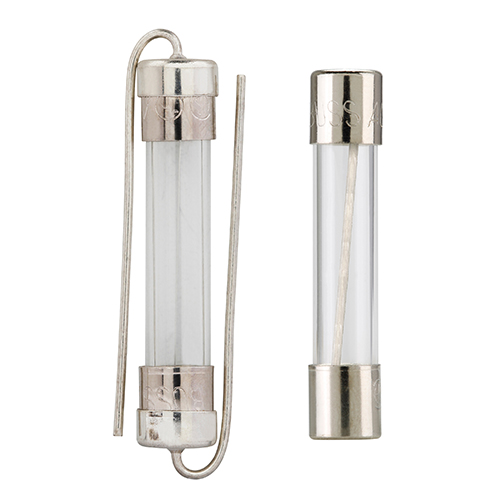
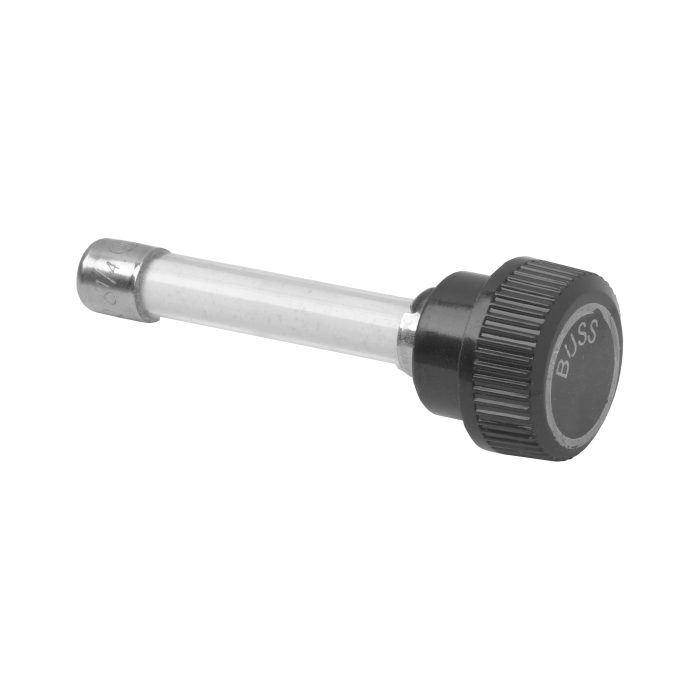
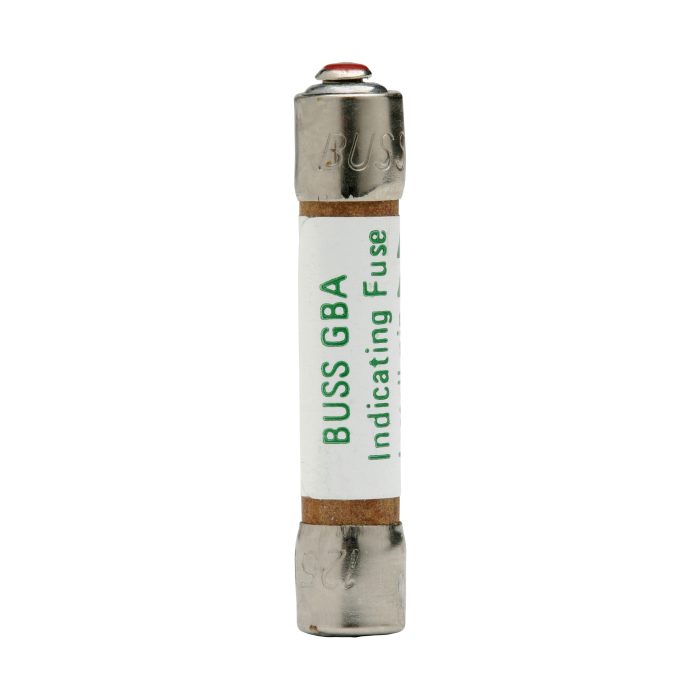
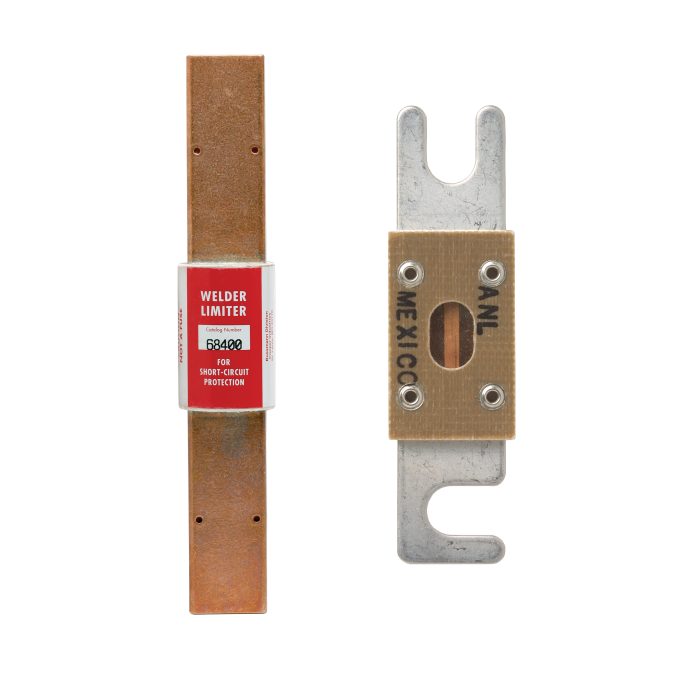
These parts protect a control circuit, a small lighting branch, or a parallel cable. The range is one-time supplemental fuses, in-line rejection fuses, pin-indicating midget fuses and cable limiters.
UL branch and supplemental fuses for control circuits, cable limiters and small power distribution. Confirm the class before substituting a supplemental fuse for a branch-circuit fuse.
Selection guide
These parts protect a control circuit, a small lighting branch, or a parallel cable. The range is one-time supplemental fuses, in-line rejection fuses, pin-indicating midget fuses and cable limiters.
A supplemental fuse is not a legal substitute for a branch-circuit or feeder fuse unless the equipment listing says so. Use the class printed on the equipment, not the closest physical size.
In-line rejection holders accept only the matching diameter and ferrule, so a lower-voltage fuse cannot be pushed into a control transformer. A cable limiter is chosen by cable size, not only by an amp number. Pin-indicating types show an open fuse without a meter.
Buyer questions
No. Supplemental fuses protect individual components. Branch-circuit fuses are listed to protect the building conductors.
It is installed on each parallel cable so a faulted conductor clears without taking down the rest of the set.
Catalog number, amp rating, voltage, and whether the holder is in-line or panel mounted.
Fill in your requirements. Our engineer will provide a quotation within 1 working day.
Bulk inquiry with BOM list is supported.
Send the catalog number, quantity and where the part is used. We reply with availability and the Bussmann family that fits.